

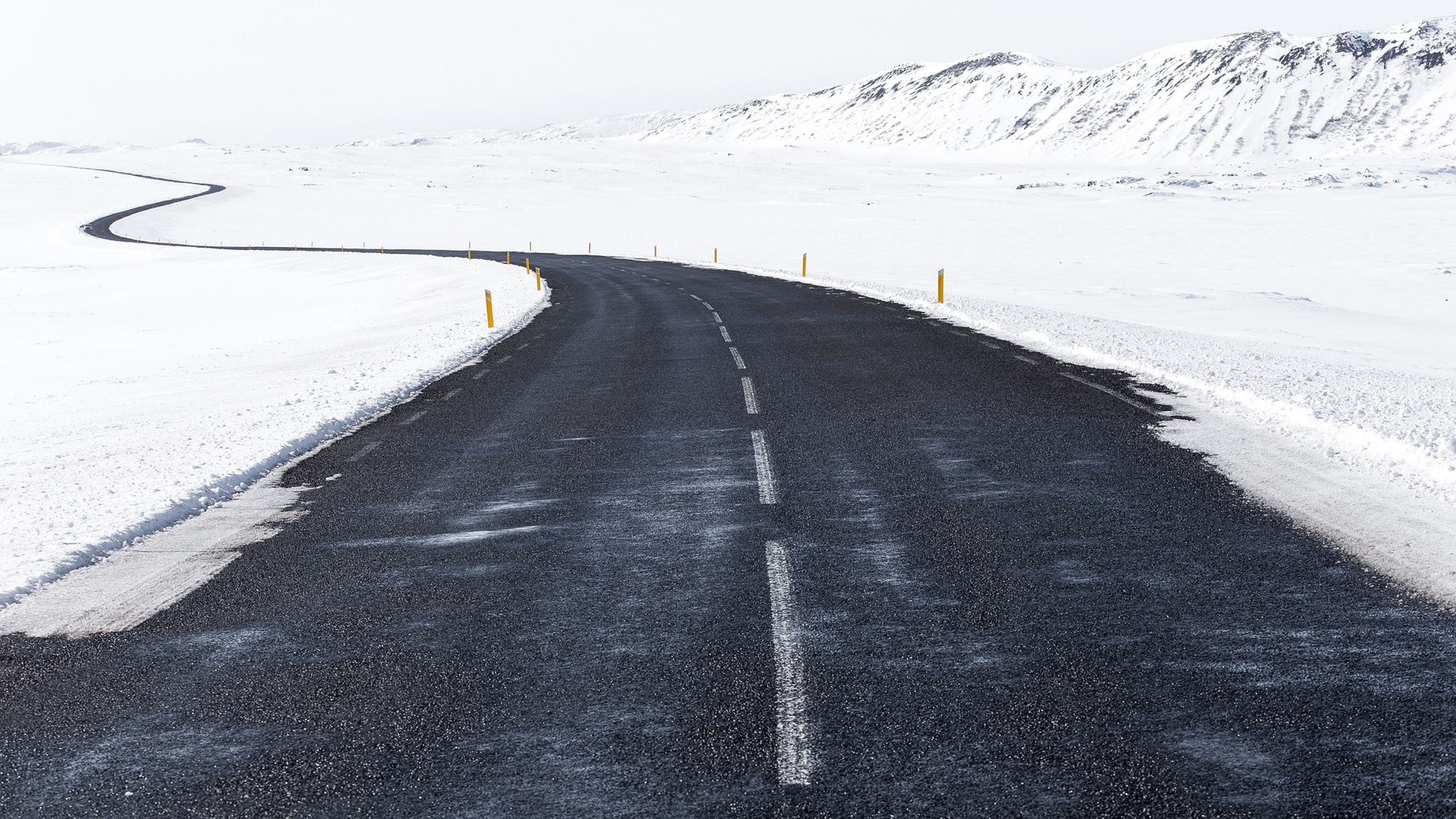
Winter is coming for much of the United States, and in many regions that means bitterly cold temperatures and snow — lots of it. Do you have a winter emergency car kit? If so, when’s the last time you checked it and made sure everything was fresh and worked?
For most of us living in areas that are frozen for a solid chunk of the year, having a winter car kit is old hat. We all know to have things like water, a blanket, or a flashlight. Some of you may have upped your game and keep additional items like a hat or pair of gloves. There are a few more items you may not have thought of, however, and while they don’t take up a great deal of room, they can make a huge difference if you find yourself stranded.
Here are some of the things you should consider having in your winter emergency car kit:
- Food (calorie dense), Water
- Physical Maps
- Batteries, Cell Phone Charger
- Tire Chains
- Cargo Straps
- Wool Socks and Additional Winter Clothing (gloves, hats, etc)
- Blanket(s), Sleeping Bag(s)
- Tarp
- Supplemental Heat Sources
- First Aid Kit
Let’s take a closer look at some of these.
Food and Energy
If you’re stuck at your car for hours during the winter (or you’ve run off the road and are unable to go for help), you’re going to need food. Depending on your preference and individual needs, this could be as simple as a few protein bars or as elaborate as a small rocket stove and some cans of beef stew. If you typically spend most of your drive time in a highway commute, you can probably get by with the protein bars, but if you’re spending a lot of time on hikes, hunting or otherwise, driving in rural or remote areas, you’ll want to go a bit more in-depth with your food.
Ideally, you want calorie dense food. Your body burns a lot of energy keeping warm, so having extra on hand is never a bad idea. But you also want to make sure that you rotate this food to keep it fresh. You don’t want to rely on chocolate-coated energy bars that have been in your trunk all summer.
Maps of the Area
No one carries paper maps anymore; that’s what smartphones are for, right? Wrong. You should always have a paper map backup of whatever area you’re traveling in, even if you stay within the city or suburbs. A map can get you home if you’re out of cell service or find yourself with a dead phone. If you’re in a rural area or plan to leave the road for your activity, you should have a topo map as well.

Batteries
This might seem like a no-brainer, but you’d be surprised how many people think their smartphone flashlight is enough. You should have a separate, dedicated flashlight, but you also need a set of spare batteries as well. Small flashlights with high lumens are cheap, and their batteries are affordable too so always have extras.

Consider that the cold can sap the energy from many battery cells. A flashlight that ran for hours on a pair of D-cells may only give you minutes in the cold. Warm, not hot, batteries can perform better in some circumstances.
Cargo Straps and Tire Chains
They take up room, but they’re also a lot like firearms: better to have and not need, than need and not have. We have used our cargo straps and tire chains more times than I can count, and it’s always while we’re out somewhere without cell service.

It’s always nice when you can get help from a kind stranger, but it’s a huge downer when you finally have someone stop to help only to find out they don’t have any equipment to help with. Keep a few straps and chains, and you’ll find that you can often help yourself.
Wool Socks, Mittens and More
Anyone who spends time outside knows the value of wool socks, and I won’t belabor the point here. Being able to put an extra pair of warm, dry socks on when you’re freezing can help your morale as well as your core temp.

Live The Armory Life. The latest content straight to your inbox plus an automatic entry to each of our monthly gun giveaways!
Your body pulls blood and warmth to its core in extreme conditions. That means your extremities are first in line for winter-related injuries such as frost bite. You want good socks, mittens and a hat that covers your ears. If needed, extra socks can serve as mittens.
Blankets and sleeping bags are also great at helping you keep warm when stuck for long periods of time.
Cell Phone Battery Pack
If you are relying on a cell phone for communications, consider how you would charge it when you are stranded. Do you have a portable power bank that you keep charged? Do you have an inexpensive solar panel that can trickle charge the phone?
If you have a fully charged battery pack, then you can use your phone even if you forgot your charger — or if your car is dead. There are a number of models out there. We have both a solar charger and a USB-charged battery pack, and we never travel without at least one of them for each phone.
Tarp
It might sound strange to have a tarp with you, but you may be surprised at how often you can find a use for it when you have one. A heavy-duty tarp can serve as a shelter or windbreak for starters and can even double as a way to carry or drag things you wouldn’t normally be able to move on your own — such as a wounded partner you’re trying to get to safety.

Tarps can also serve as a moisture barrier between you and snow or wet ground. You do not want to be cold and wet.
Heat Source
Blankets and socks are great, but you should also have some kind of heat source in your vehicle as well. Even a long-burning survival candle can provide enough heat inside of an enclosed car to keep you from freezing to death. Handwarmer packs can help as well. If you do go with hand- or footwarmer packs, keep in mind that they should never be up against your bare skin; in addition, the more air they have access to, the hotter they get — all the way past 160 degrees Fahrenheit.
Something else to consider about handwarmers: they expire. Don’t get a deal on a case of surplus and expect any of them to work. I’ve found that more often than not they are all bad, and when stranded in the snow is not a good time to discover this.
Winter car kits don’t have to be a monstrosity that takes up your entire truck bed or car trunk. Like most other things, you should assess your personal situation and decide what you and your family will realistically need.
What’s in your winter car kit?
Editor’s Note: Please be sure to check out The Armory Life Forum, where you can comment about our daily articles, as well as just talk guns and gear. Click the “Go To Forum Thread” link below to jump in and discuss this article and much more!
Join the Discussion
Read the full article here