

When I was a kid, someone superglued a quarter to the cafeteria floor at my junior high school. We enjoyed several days of entertainment watching people trying to pick that quarter up.
A few kids were super-aggressive in their efforts to unstick that quarter. (Keep in mind, this was the 1980s. A quarter went a lot further than it does today. Heck, it might have even been minted before 1965, making it 90 percent silver. If it was so-called “junk silver,” it was definitely worth picking up!)
So, why am I telling you about a junior high prank?
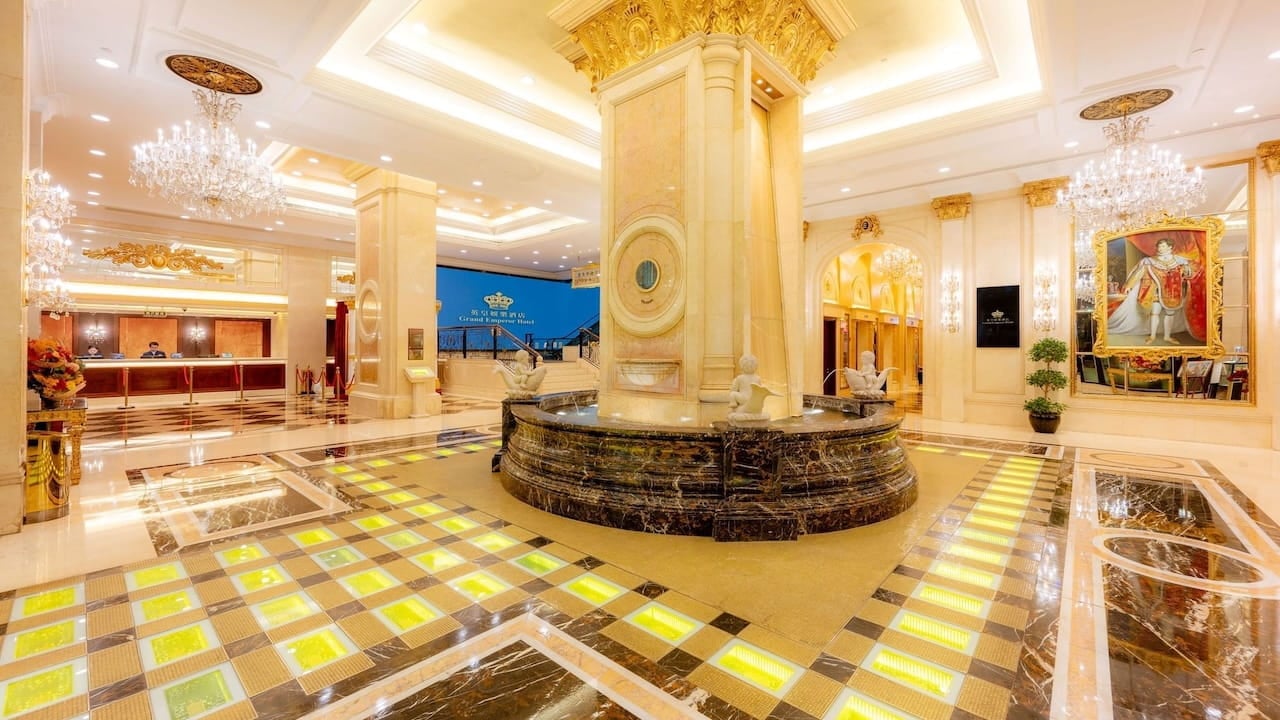
Well, I was reminded of this incident by a story I ran across. A hotel in Macau tore up its entire lobby floor to make a little money.
Oh, by the way, the floor was embedded with gold bars weighing 1 kilogram each.
People all over the world are rushing to coin dealers, jewelry stores, and pawn shops, hoping to sell scrap gold and take advantage of the skyrocketing price over the last couple of years. But the Grand Emperor hotel in Macau went to extremes to make a profit in this gold bull market.
The hotel opened in 2006 and is known for its opulence. The entryway featured a “golden pathway” with dozens of gold bars embedded in the floor. The hotel’s parent company recently announced it removed “a number” of the gold bars and sold them to a refiner, pocketing $12.8 million. The company reportedly liquidated 79kg of gold.
In a statement, Emperor Entertainment Hotel Ltd said the sale would “strengthen the group’s financial position and enable it to invest should suitable investment opportunities arise.”
If you ask me, the hotel company already had a suitable investment in gold and may have been better off holding onto the metal rather than swapping it for rapidly devaluing fiat currency. But they didn’t consult me.
In a filing, the company said that while the gold-adorned floor created “a sumptuous and resplendent atmosphere” in the hotel, “in light of the prevailing market conditions,” leadership thought the spiking gold price presented a “good opportunity” to remove and sell them.
A change in the hotel’s marketing strategy also drove the decision to remove the gold bars from the entryway.
Macau was a Portuguese colony for nearly 450 years before control of the region was handed over to China in 1999. It is now a “special administrative region,” similar to Hong Kong, with more autonomy than other Chinese provinces.
Macau is the only place in China where casino gambling is legal, but Beijing has increasingly pressured the area to diversify its economy. The Grand Emperor shuttered its casino last fall.
The company filing noted that it is “actively planning for other entertainment and amusement facilities,” and the lobby was already slated for renovation.
“Given that the relevant area is planned to undergo renovation and redevelopment, the precious metal that were originally part of the hotel’s interior design and outfits are no longer relevant to the theme of the hotel in the future.”
The hotel still retains some gold. According to the company website, the Grand Emperor features an antique gold carriage, which “exhibits the fine craftsmanship of 18th-century Europe.”
Read the full article here